
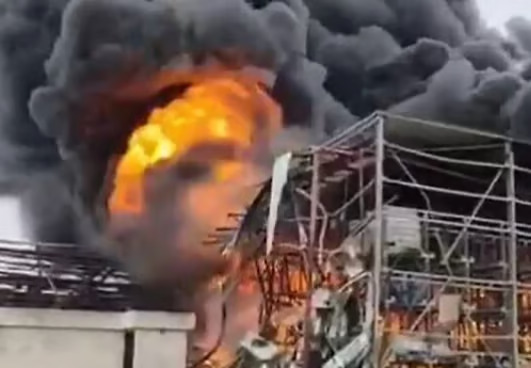
Iran Missile Strike Hits ADAMA Chemical Plant in Southern Israel
Iran missile strike or debris hits ADAMA chemical plant in southern Israel, sparking Ne’ot Hovav industrial fire amid rising global tensions.
In a escalation of the ongoing Iran-Israel conflict, the agrochemical producer ADAMA confirmed that its Makhteshim plant in southern Israel was hit on Sunday — either directly by an Iranian missile or by debris from an intercepted projectile. Officials said no injuries have been reported so far, though the full extent of damage remains under investigation.
This attack underscores how the broader geopolitical confrontation is now reaching critical industrial infrastructure in Israel, with potential implications for chemical safety, emergency response planning, and agricultural supply chains worldwide.
Industrial Fire Breaks Out in Ne’ot Hovav Zone
Following the impact, a significant fire erupted in the Ne’ot Hovav industrial area — a major chemical and manufacturing hub near Beer Sheva. Israel’s fire and rescue services dispatched 34 firefighting crews to contain the blaze, which involved facilities storing and processing hazardous materials.
Authorities warned the public to stay at least 800 meters away from the site due to the potential spread of toxic smoke and chemical exposure. Emergency teams worked to prevent the fire from spreading to neighboring facilities, and while one building was reported destroyed, crews later stated that the situation was under control with ongoing cooling operations to prevent reignition.
What Happened: Missile or Debris?
Israeli military systems detected multiple waves of missiles launched from Iran on Sunday. Although many were intercepted, falling debris — including potentially from the interception — is believed to have struck the industrial zone, triggering the fire.
This pattern of engagement — where air defense interceptions can still cause dangerous debris to fall over populated or industrial areas — highlights the complex risks of modern missile defense in conflict zones.
Strategic Location and Broader Threats
Ne’ot Hovav is situated about 13 km (8 miles) from Beer Sheva and is home to several industrial plants as well as Israeli military installations. The proximity of critical infrastructure to conflict theaters raises serious concerns about the vulnerability of civilian industrial zones in future engagements.
Earlier in the conflict, Iranian missiles struck other southern Israeli cities such as Arad and Dimona, resulting in dozens of injuries — marking some of the most severe direct attacks on Israeli soil in this phase of the war.
Industrial Safety and Global Supply Chain Impact
The hit on the ADAMA plant has implications that extend beyond the immediate conflict zone:
- Chemical safety risk: Fires in chemical manufacturing areas can release toxic substances and pose health hazards to nearby communities.
- Supply chain disruptions: ADAMA produces key pesticides and agricultural chemicals used globally; damage to production facilities could ripple through farming supply networks.
- Emergency preparedness: The incident highlights the need for robust industrial risk mitigation plans in areas susceptible to military escalation.
Industrial safety experts stress that even debris from intercepted missiles can cause catastrophic damage if it strikes critical infrastructure, emphasizing the need for strategic siting and protective planning.
Regional Escalation: Conflict Continues to Intensify
This attack comes amid broader regional tensions involving Iran, Israel, and allied forces. Recent reports show an expanding conflict that has affected not just Israel and Iran, but neighboring nations and strategic maritime routes — including shipping in the Red Sea and disruptions to energy markets.
Missile exchanges, air defense engagements, and ground threats have increased pressure on governments and civilian populations across the Middle East, driving international diplomatic efforts to reduce escalation.
What This Means for the Future
The ADAMA plant strike is a stark example of how industrial and civilian infrastructure can become entangled in modern geopolitical conflicts. Key takeaways include:
- Missile defense systems save lives but can cause collateral damage through falling debris.
- Industrial hubs near conflict zones face elevated risk, even if not direct targets.
- Global supply chains remain vulnerable when key production facilities are impacted by warfare.
Experts warn that as long as missile exchanges continue, similar incidents could occur, prompting calls for increased industrial safety protocols and international monitoring.
